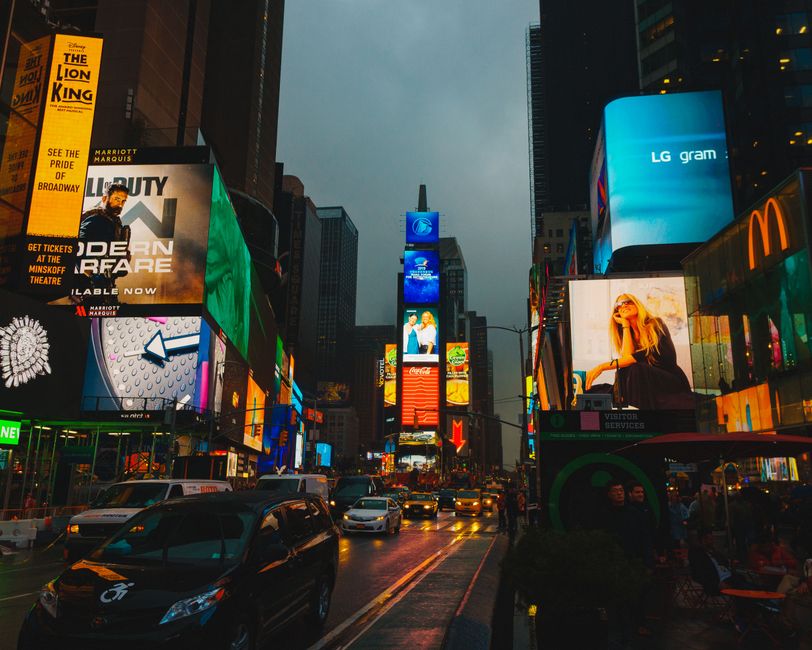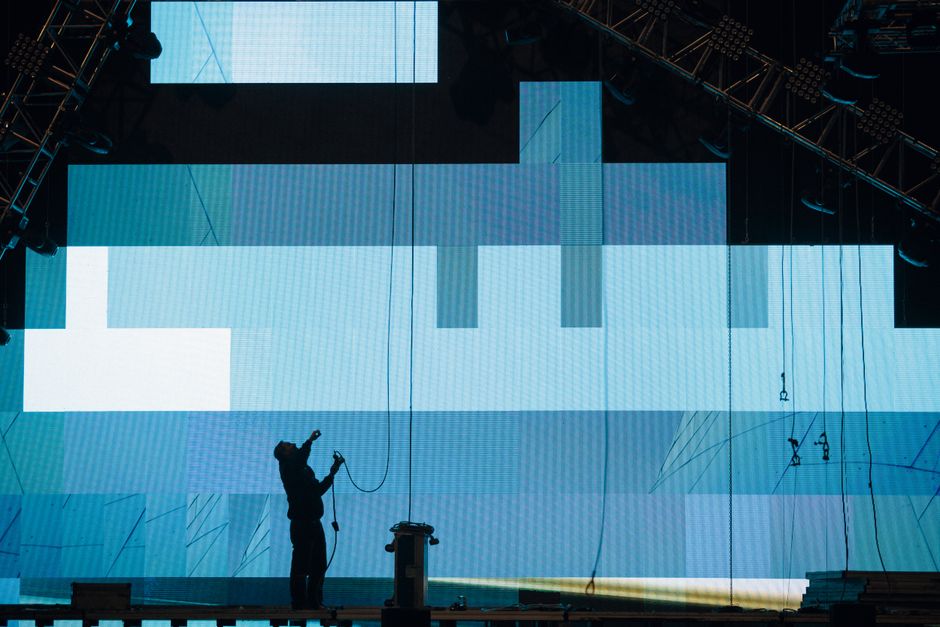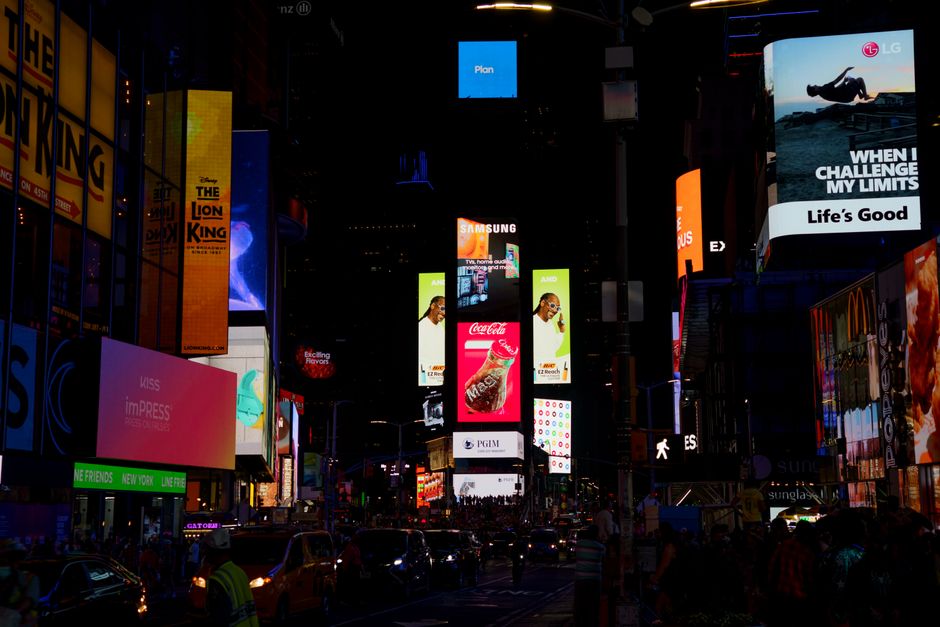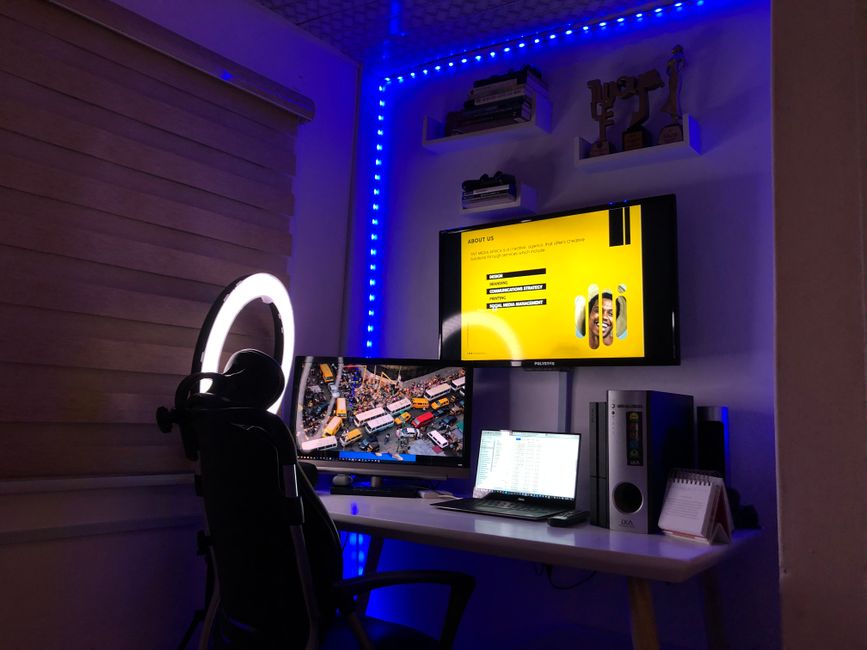
As commercial advertising and modern display technology evolve across Pakistan, businesses are increasingly adopting SMD and LED display screens. From shopping malls in Karachi to corporate boardrooms in Islamabad and roadside billboards in Lahore, dynamic digital displays offer unmatched visual engagement. However, one common question we answer at PakSmdScreen is: What is the difference between indoor and outdoor LED screens?
Choosing the wrong screen type can lead to poor visibility, excessive power consumption, or even permanent hardware damage due to environmental exposure. Here are the key differences explained to help you make an informed investment.
1. Screen Brightness (Nits)
The most significant distinction lies in brightness levels. Outdoor LED screens operate under direct sunlight, requiring significantly higher illumination to maintain clear visibility.
- Indoor LED Screens: Typically offer brightness levels between 800 to 1,500 nits. Higher brightness indoors causes unwanted glare and eye strain for viewers.
- Outdoor LED Screens: Range from 5,000 to over 8,000 nits. This intense brightness ensures images remain vivid even during Pakistan's brightest summer afternoon sun.
2. Pixel Pitch and Resolution
Pixel pitch (measured in millimeters, such as P2 or P5) indicates the distance between the centers of two neighboring LED pixels. Finer pixel pitch results in higher resolution.
- Indoor Displays: Viewers stand much closer to indoor screens. Therefore, indoor displays utilize fine pixel pitches (usually P1.2 to P2.5) to deliver ultra-crisp imagery from a short distance.
- Outdoor Displays: Outdoor screens are designed to be viewed from greater distances (e.g., billboards or building facades). They use higher pixel pitches like P3 to P10, balancing optimal long-distance resolution with cost-effectiveness.
3. Weatherproofing and Protection (IP Rating)
Environmental resistance is crucial, especially considering Pakistan's diverse weather conditions—from severe dust storms to heavy monsoon rains and high humidity.
- Outdoor LED Screens: Equipped with high Ingress Protection (IP) ratings, typically IP65 or IP67. They are fully waterproof, dustproof, and protected against extreme heat and UV exposure.
- Indoor LED Screens: Usually feature lower ratings like IP30 or IP40, as they are sheltered from rain, moisture, and extreme dust.
4. Cabinet Structure and Thermal Management
Outdoor screens require robust physical enclosures to withstand harsh environments. They often feature heavy-duty sealed aluminum or treated steel cabinets equipped with advanced cooling systems and ventilation fans to withstand high temperatures. Conversely, indoor cabinets are lighter, slimmer, and engineered for silent, seamless indoor integration.
Which Screen Does Your Business Need?
If you are looking to install digital signage inside a retail shop, wedding hall, television studio, or corporate office, an indoor SMD display screen is the perfect choice. For roadside advertising, building frontages, sports stadiums, or outdoor event venues, an outdoor LED screen is essential.
At PakSmdScreen, we supply, install, and maintain top-tier indoor and outdoor display solutions across Pakistan. Contact our team today to request a custom quote and schedule a site survey!