Understanding LED Screen Brightness: What is a Nit?
When investing in an SMD or LED display screen in Pakistan, brightness is one of the most critical specifications you need to consider. Expressed in nits or candelas per square meter (cd/m²), brightness determines how clear, vivid, and visible your content remains under various lighting conditions.
Simply put, one nit represents the light emitted by a single candle over a one-square-meter surface. The higher the nit count, the brighter the display. Selecting the correct brightness level ensures optimal visibility without wasting energy or overspending on hardware.
How Many Nits Do You Really Need?
Choosing the right nit count depends heavily on where your LED screen will be installed and the amount of ambient light in the surrounding environment.
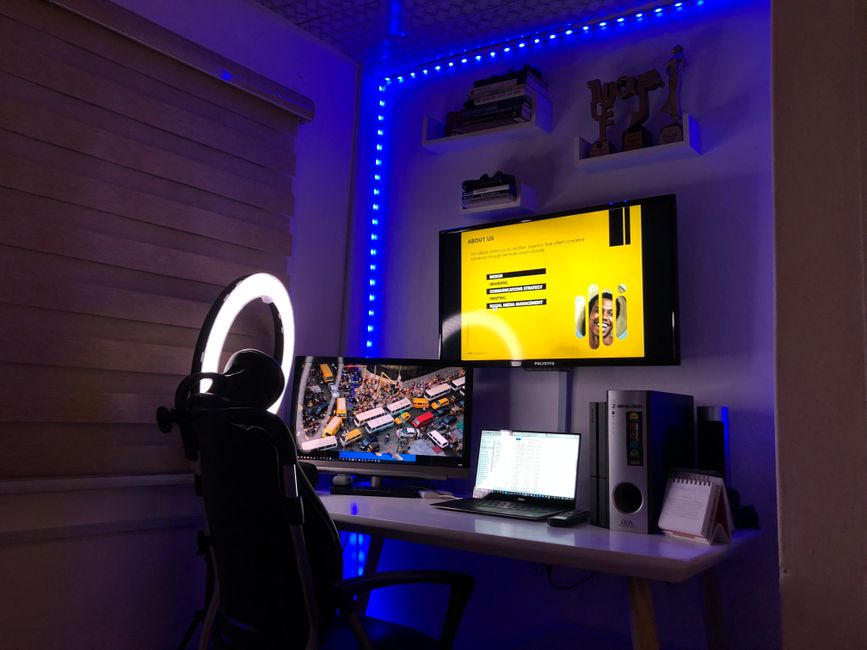
- Indoor LED Screens (800 to 1,500 Nits): Indoor environments like corporate boardrooms, shopping malls, wedding halls, and control rooms require moderate brightness. Standard indoor lighting ranges from 800 to 1,500 nits, which provides crisp visuals without causing eye strain.
- Semi-Outdoor & Window Displays (2,000 to 3,500 Nits): Screens placed behind glass storefronts or under covered outdoor spaces face reflected sunlight. A rating between 2,000 and 3,500 nits ensures your promotional content cuts through glare effectively.
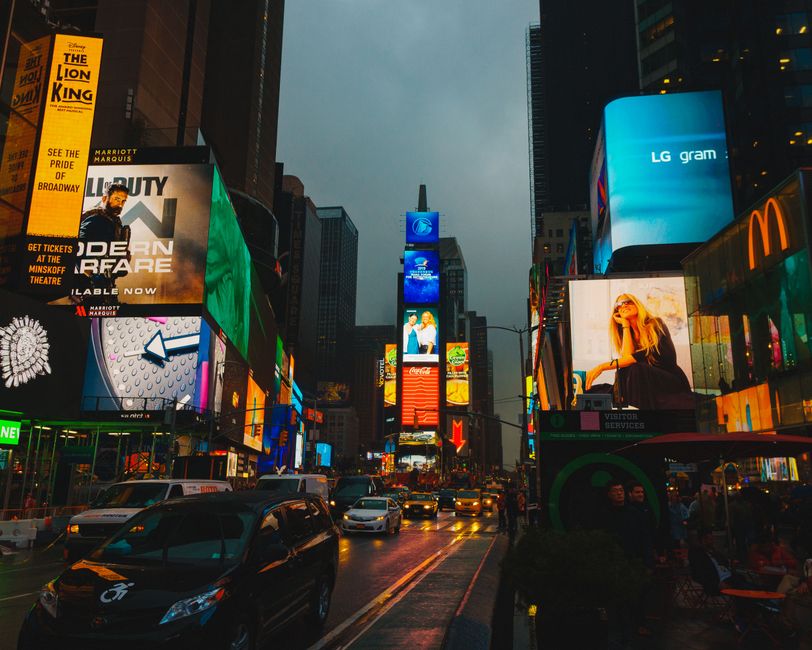
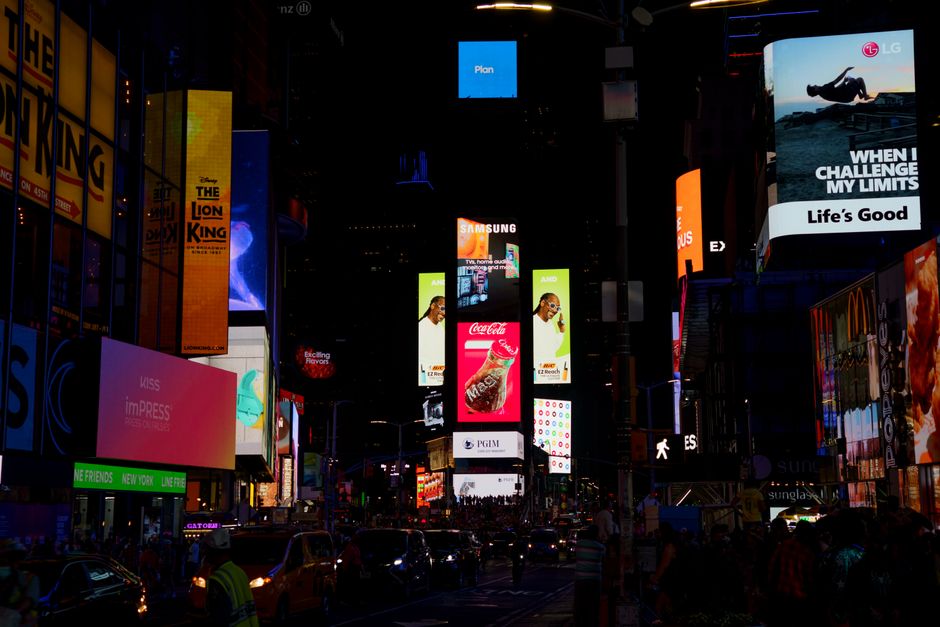
- Outdoor SMD Screens (5,000 to 8,000+ Nits): In sunny Pakistani cities like Lahore, Karachi, and Multan, outdoor billboards and roadside displays must withstand intense direct daylight. Outdoor displays require at least 5,000 to 8,000 nits to remain clear and readable.
Key Factors to Consider Before Buying
While high brightness is essential for outdoor impact, maximum brightness isn't always better for every situation. Keep these key considerations in mind:
- Automatic Dimming Sensors: Daytime requires high nit levels, but maximum brightness at night creates dangerous glare for drivers and wastes power. Automatic light sensors adjust screen brightness dynamically according to ambient conditions.
- Display Lifespan: Running an LED screen at 100% brightness constantly accelerates diode degradation. Choosing a display with a higher peak nit capacity allows you to operate it at 70-80% power, significantly extending its operational lifespan.
- Energy Efficiency: Higher brightness draws more electricity. High-grade SMD displays utilize energy-efficient LEDs that deliver bright visuals while keeping monthly operational electricity costs manageable.
Get the Right Display with PakSmdScreen
At PakSmdScreen, we provide top-tier indoor and outdoor SMD display solutions tailored to Pakistan's climate and commercial needs. Whether you need a high-impact outdoor billboard or a sleek indoor video wall, our experts will help you select the exact brightness level for your project. Contact PakSmdScreen today for custom recommendations and quotes!